Why we stand out
Advanced sensory diagnostics
Validating every smoke detector and heat sensor using advanced diagnostic testing criteria.
Bespoke network engineering
Mapping out optimised early-warning wiring networks tailored around your building's unique architecture.
Continuous code enforcement
Maintaining sounders and panels strictly in line with state building regulations.
When is fire alarm testing required?
Fire detection and alarm systems are a legal requirement across many residential and commercial property types. Annual testing and certification help demonstrate that your system is being maintained appropriately:
HMOs (Houses in Multiple Occupation)—licensed HMOs must have functioning fire detection. Annual testing supports HMO licence evidence and local authority inspections
Blocks of flats—the Regulatory Reform (Fire Safety) Order 2005 requires adequate means of detecting and giving warning of fire in communal areas
Commercial premises—employers must ensure fire detection systems are maintained and regularly tested under the Fire Safety Order 2005
Rented properties—mains-powered, interlinked smoke and heat alarms are required under the Smoke and Carbon Monoxide Alarm (Amendment) Regulations 2022
BS 5839-6 (domestic/HMO) and BS 5839-1 (commercial) provide the technical framework for fire alarm system testing and certification. Our NAPIT-registered engineers carry out annual testing in line with these standards.
Fire alarm grades explained
BS 5839-6 defines fire alarm grades for domestic properties. Understanding which grade your property requires is essential for meeting licence conditions and setting the stage for accurate PAT testing of interlinked devices. Most licensed HMOs require Grade D, LD2 as a minimum, mains-powered, interlinked smoke alarms in escape routes and heat detectors in kitchens. Larger HMOs may require Grade A systems. FRA Experts Ltd can advise on your specific requirements, helping you determine if a broader fire risk assessment is necessary.
What does our annual testing cover?
Detector testing
Functional test of all smoke, heat, and multi-sensor detectors. Each detector is individually triggered to confirm correct operation and alarm response.
Sounder and alarm testing
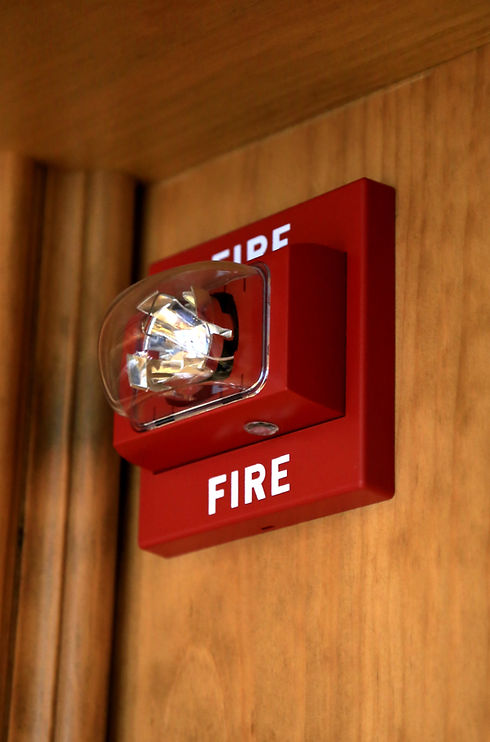
All sounders and alarm devices tested for correct activation. Volume levels and coverage verified. Alarm silencing and reset functions checked.
Control panel check
Panel indicators, fault monitoring, and zone identification were checked. Battery backup capacity verified. Any logged faults investigated.
Call points
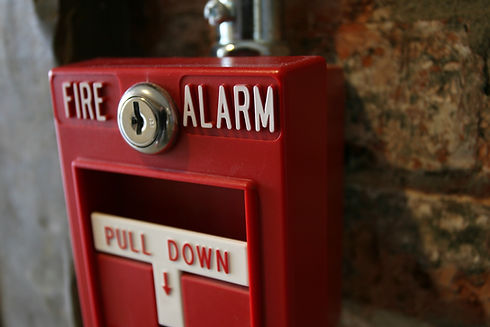
All manual call points were tested using test keys. Correct zone identification and panel response confirmed. Protective covers checked.
Interconnection verification
For Grade D interlinked systems, the correct interconnection between all devices is verified — activation of one device must trigger all others.
Logbook and certificate
Fire alarm logbook updated with test results. Annual test certificate issued and emailed within 24 hours of the visit.
Our prices
Smoke / Heat Detector Installation
£119.00
Fire Alarm Panel Installation
£1299.00
